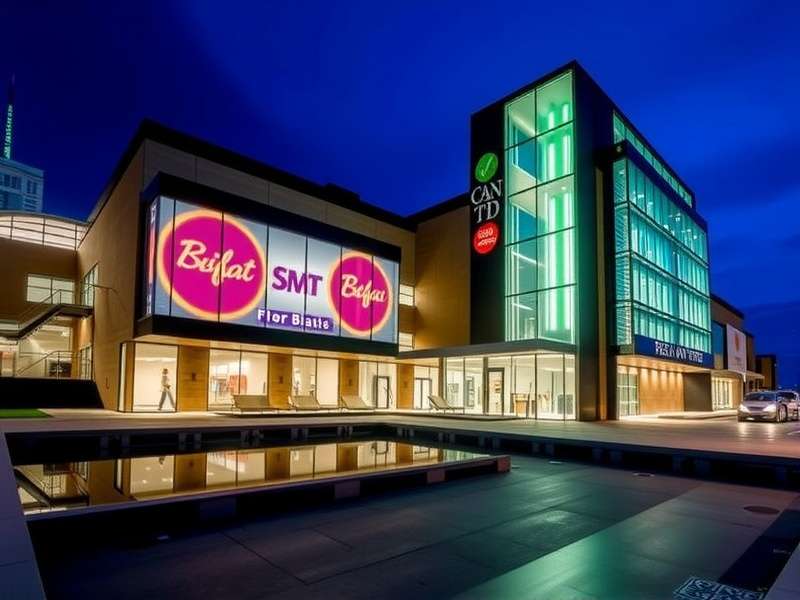
Pioneering Microbial Sciences for a Sustainable Future

Institute of Microbial Technology (IMTECH), Chandigarh, is a premier research institute under the Council of Scientific & Industrial Research (CSIR), Government of India, dedicated to cutting-edge research in microbial biotechnology, genomics, and biomedical applications.

Explore Research Contact Us
40+

Research Labs

250+

Scientists & Staff

1800+

Publications

85+

Patents Granted

About IMTECH

Established in 1984, the Institute of Microbial Technology (IMTECH) has emerged as a national leader in microbial research and biotechnology. Located in the beautiful city of Chandigarh, India, our institute operates under the aegis of the Council of Scientific and Industrial Research (CSIR), Ministry of Science & Technology, Government of India.

Our mission is to conduct high-quality basic and applied research in microbial sciences, to generate knowledge and develop technologies for the benefit of society, industry, and the environment. We aim to understand microbial systems at molecular, cellular, and community levels, and harness their potential for healthcare, agriculture, energy, and environmental sustainability.

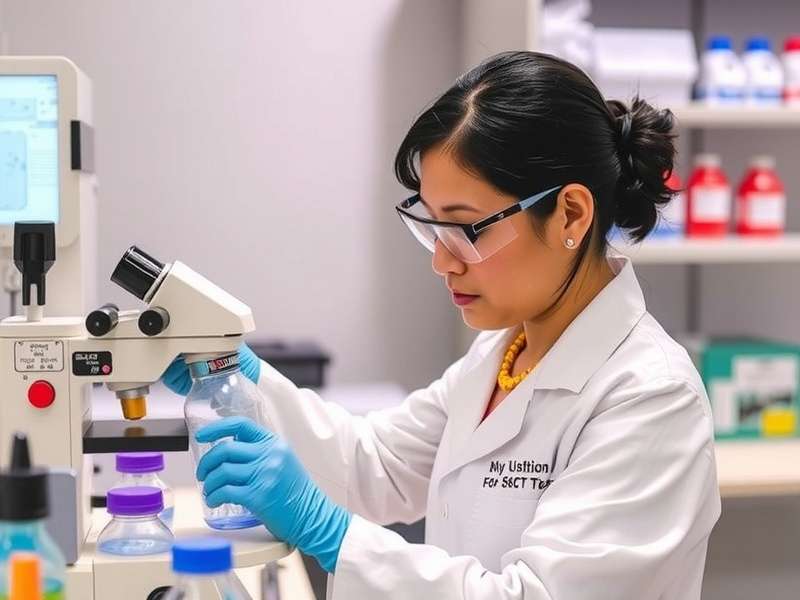
IMTECH houses state-of-the-art infrastructure, including advanced sequencing facilities, high-throughput screening platforms, fermentation pilot plants, and animal house facilities, enabling multidisciplinary research across various domains of microbiology and biotechnology.
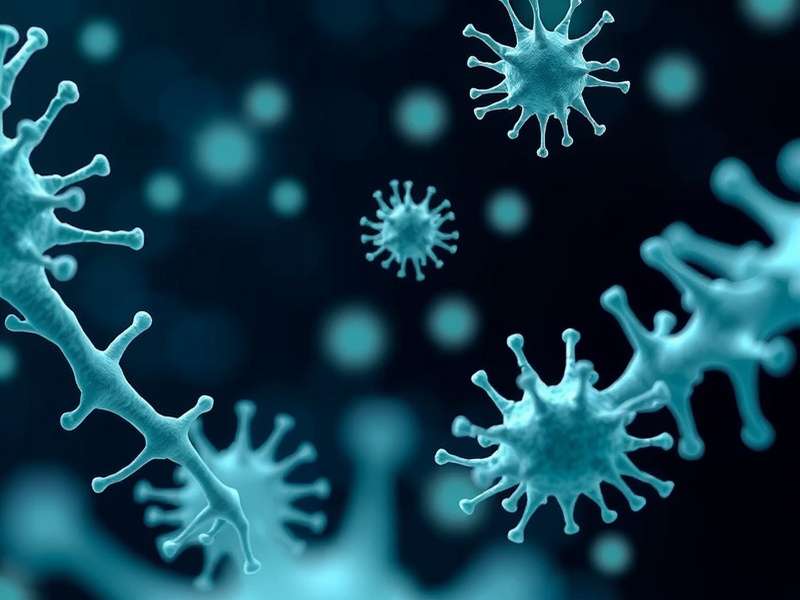
IMTECH Laboratory Research Facility

Microbial Genomics

Deciphering the genetic blueprint of microbes for novel applications in medicine and industry.

Drug Discovery

Identifying new antimicrobials, antifungals, and bioactive molecules from microbial sources.

Environmental Biotech

Developing microbial solutions for waste treatment, bioremediation, and sustainable agriculture.
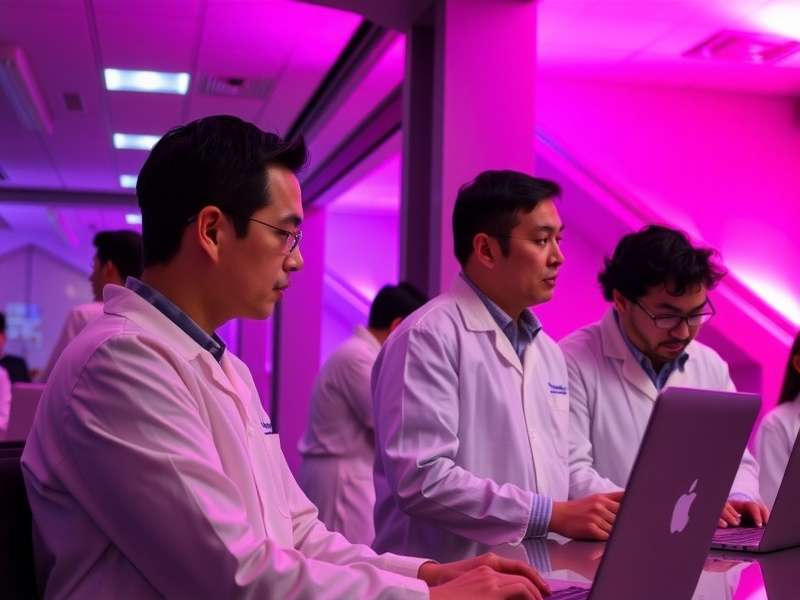
Research Divisions

Our research is organized into interdisciplinary divisions that collaborate to address complex scientific challenges.

Department of Microbial Genomics

Focuses on whole-genome sequencing, comparative genomics, metagenomics, and functional genomics of bacteria, archaea, and fungi. Key projects include pathogen genome analysis, microbiome studies, and evolutionary genomics.

  • Metagenomic analysis of environmental samples
  • CRISPR-Cas systems in prokaryotes
  • Antimicrobial resistance gene profiling

Department of Protein Science

Engaged in structural and functional characterization of microbial proteins, enzymes, and complexes using X-ray crystallography, cryo-EM, NMR, and biophysical techniques. Aims to understand enzyme mechanisms and engineer novel biocatalysts.

  • Enzyme engineering for industrial applications
  • Structural biology of membrane proteins
  • Protein-protein interaction networks

Department of Infectious Disease Biology

Investigates host-pathogen interactions, immune responses, and develops novel diagnostics, vaccines, and therapeutics against bacterial, fungal, and viral pathogens of medical importance.

  • Development of novel vaccine candidates
  • Rapid diagnostic kits for infectious diseases
  • Antifungal drug discovery

Department of Fermentation Technology

Focuses on upstream and downstream bioprocess development for the production of microbial metabolites, enzymes, antibiotics, and recombinant proteins using bioreactor systems and scale-up methodologies.

  • High-cell-density fermentation
  • Continuous bioprocessing
  • Metabolic engineering of production strains

Department of Environmental Microbiology

Explores microbial diversity in extreme environments, bioremediation of pollutants, waste-to-energy conversion, and plant-microbe interactions for sustainable agriculture.

  • Microbial fuel cells
  • Biodegradation of xenobiotics
  • Biofertilizer and biopesticide development

Department of Bioinformatics

Develops computational tools and databases for genomic, proteomic, and metabolomic data analysis, systems biology modeling, and in silico drug design.

  • Microbial genome annotation pipelines
  • Molecular dynamics simulations
  • Machine learning for biomarker discovery

Core Facilities

IMTECH provides shared access to advanced technological platforms that support the research community both within and outside the institute.

Next-Generation Sequencing Facility

Equipped with Illumina NovaSeq 6000, MiSeq, and Oxford Nanopore platforms for whole genome, transcriptome, and metagenome sequencing.

Structural Biology Facility

Houses 800 MHz NMR, single-crystal X-ray diffractometers, and cryo-electron microscope for protein structure determination.

High-Throughput Screening Lab

Robotic liquid handlers and automated imaging systems for screening large compound libraries against microbial targets.

Pilot Plant Fermentation

Includes 30L to 1000L fermenters with advanced control systems for process optimization and scale-up studies.

High-Performance Computing

Cluster with 500+ cores, GPU nodes, and petabyte-scale storage for bioinformatics and computational biology research.

Advanced Microscopy

Confocal, super-resolution, and live-cell imaging systems for studying microbial cells and host-pathogen interactions.

Recent Publications & Highlights

Discovery of novel broad-spectrum antifungal from marine actinobacterium

March 15, 2024 | Nature Microbiology

IMTECH researchers have isolated a new polyene compound from a marine Streptomyces species that shows potent activity against drug-resistant Candida auris and Aspergillus fumigatus. The compound, named Imtechin A, targets fungal ergosterol biosynthesis with a novel mechanism.

Complete genome sequencing of a novel electroactive bacterium from wetland sediments

February 28, 2024 | ISME Journal

Scientists at the Environmental Microbiology department have sequenced and annotated the genome of Geobacter sulfurreducens strain IMT-7, revealing unique genes for extracellular electron transfer, which could enhance microbial fuel cell efficiency.

Crystal structure of a bacterial CRISPR-Cas complex solved at 2.1 Å resolution

January 10, 2024 | Cell Reports

The Protein Science department has determined the high-resolution structure of the Cas12a-guide RNA-target DNA ternary complex from a thermophilic bacterium, providing insights for improved genome editing tools.

Development of a rapid diagnostic kit for detection of carbapenem-resistant Enterobacteriaceae

December 5, 2023 | Journal of Clinical Microbiology

A lateral flow assay developed at IMTECH can detect NDM-1 and KPC carbapenemases directly from clinical samples within 30 minutes, with sensitivity and specificity over 95%. The technology has been licensed to a diagnostic company.

Latest News & Events

IMTECH Annual Symposium 2024

May 20-22, 2024

"Microbes in One Health" – Register now for keynote lectures, poster sessions, and workshops.

New CSIR-IMTECH Technology Incubator Launched

April 10, 2024

A startup incubator to support entrepreneurial scientists in translating microbial technologies to market.

Collaboration with ICMR on Antimicrobial Resistance

March 28, 2024

Joint initiative to establish a national surveillance network for antibiotic-resistant pathogens.

PhD Admissions Open for August 2024 Session

March 1, 2024

Applications invited for the PhD program in Microbial Biotechnology. Deadline: April 30, 2024.

Our Collaborators

We work with leading academic, industrial, and governmental partners worldwide.

Friends & Resources

National Aerospace LaboratoriesNational Botanical Research InstituteNational Chemical LaboratoryNational Environmental Engineering Research InstituteNorth-East Institute Of Science & Technology

Contact Us

Institute of Microbial Technology

Sector 39-A, Chandigarh 160036, India

+91-172-6665 234

+91-172-6665 235

[email protected]

www.yankezs.com

Office Hours

Monday to Friday: 9:00 AM to 5:30 PM
Saturday: 9:00 AM to 1:00 PM
Closed on Sundays and Public Holidays

For Media Inquiries

[email protected] | +91-172-6665 236

Technology Transfer Office

For licensing and collaboration opportunities:
[email protected] | +91-172-6665 237